

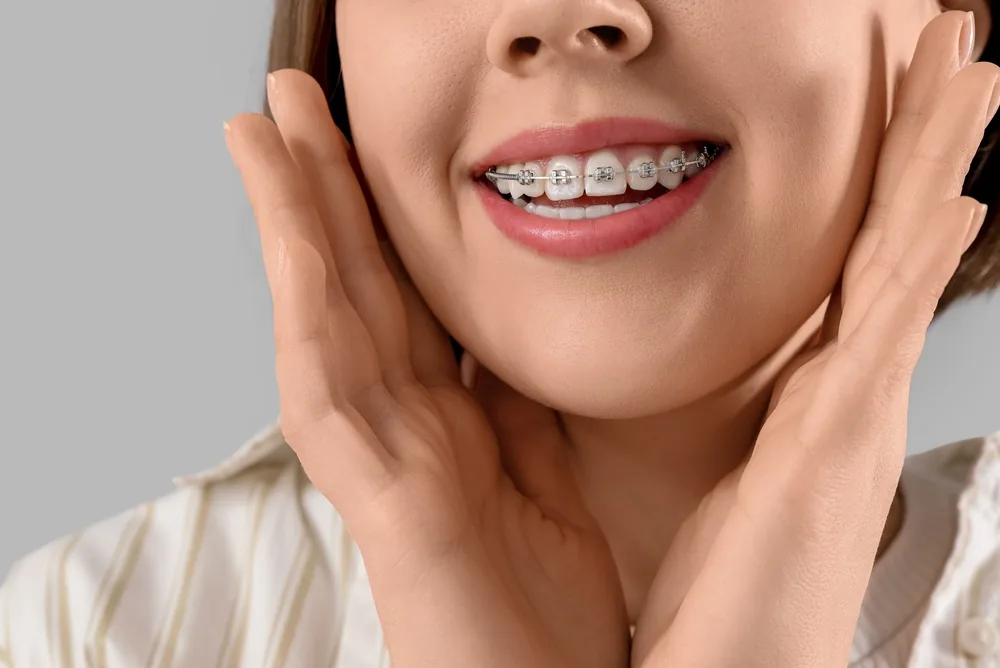
Braces are devices that gradually move your teeth into the correct position. If you are considering braces and live in NE Calgary, a dentist in NE Calgary can evaluate your smile and explain how braces work for your specific situation. Braces use gentle, consistent pressure to shift teeth over time. The process is slow and steady, which allows your teeth and jaw to adjust safely. Most people are surprised by how well braces in NE Calgary work and how much their smile improves. Understanding the basics helps you feel confident about beginning treatment.
The Science Behind How Braces Work
Applying Gentle Pressure Over Time
Braces work by applying continuous pressure to your teeth. This pressure forces your teeth to move gradually in the direction your dentist plans. The pressure is very gentle, so it does not damage your teeth or roots. Your body responds to this pressure by breaking down bone on one side of the tooth and building new bone on the other side. This natural process allows teeth to move into their new position. The pressure must be consistent, which is why you need regular adjustments.
Think of it like bending a young tree. With gentle, consistent pressure over time, you can shape it into any form you want.
The Components of Braces
Modern braces have several important parts that work together.
Brackets are small squares glued to each tooth. They hold the wire in place and guide tooth movement. The archwire runs through all the brackets and provides the pressure that moves teeth. Elastic bands or ligatures hold the wire in the brackets. These bands come in many colours and are often changed at each appointment. Springs and coils can be added to apply extra pressure in specific areas.
Each part has an important job in moving your teeth slowly and safely.
How Teeth Move Through Bone
Your teeth are held in place by bone and ligaments. When braces apply pressure, the bone around your tooth responds. Cells called osteoclasts break down bone on the pressure side of the tooth. Other cells called osteoblasts build new bone on the opposite side. This process allows your tooth to move through the bone safely. The movement is slow because bone remodelling takes time. This slow movement ensures your teeth stay healthy.
Your body is working hard to reshape the bone around your teeth.
Types of Braces Available Today
Traditional Metal Braces
Metal braces are the most common type and still the most effective. They are strong, durable, and visible on your teeth. Metal braces are usually the most affordable option. Many teenagers and adults choose metal braces because they are reliable and work quickly. A dentist near you can recommend metal braces if they are the best choice for your needs.
Metal braces have been used for decades and have a proven track record of success.
Ceramic and Clear Braces
Ceramic braces work the same way as metal braces but are tooth-colored or clear. They blend in with your teeth and are less noticeable. Ceramic braces are slightly more expensive than metal braces. They work just as effectively but may take slightly longer in some cases. Clear braces are popular with adults who want a more discreet appearance.
Invisible Aligners
Invisible aligners are a contemporary substitute for traditional braces. Your teeth are gradually moved by wearing a series of clear plastic trays. You can take them out to eat or clean your teeth. When you wear them, aligners are nearly invisible. Undergoing treatment through the use of aligners generally takes longer than standard braces. Mild to moderate alignment issues are best for aligners.
Clear aligners are like having a secret treatment that nobody can see.
How Long Does Braces Treatment Take?
Typical Treatment Timeline
Most braces treatments take between 18 months and 3 years. The exact time depends on several factors. The severity of your misalignment matters greatly. Mild crowding might take 18 months. Severe misalignment might take 3 years or longer. Your age affects treatment speed. Younger patients often move teeth faster than older patients. Your compliance with instructions also matters. Wearing rubber bands as directed and avoiding hard foods speeds up treatment.
Your specific timeline will become clearer after your first visit with your dentist.
The Monthly Adjustment Appointments
You will visit your orthodontist or dentist regularly during treatment. Most appointments happen every 4 to 8 weeks. During each visit, your braces are adjusted to increase the pressure slightly. The dentist tightens the wires and changes the elastic bands. Each appointment moves your teeth closer to their final position. These regular visits are essential for successful treatment.
Think of these visits like check-ins to make sure everything is progressing perfectly.
| Treatment Factor | Impact on Duration | Time Effect |
|---|---|---|
| Mild Crowding | Minimal correction needed | 12–18 months |
| Moderate Crowding | Standard correction needed | 18–24 months |
| Severe Misalignment | Major tooth movement required | 24–36 months |
| Patient Compliance | Following treatment instructions consistently | Can reduce treatment time |
| Age of Patient | Bone remodelling speed may vary | Younger patients may respond faster |
Factors That Speed Up or Slow Down Treatment
There are several factors affecting teeth movement.
The way your bones respond to pressure is determined by genetics. Your age is important because younger bones change faster. The speed of your treatment depends on your diet.
Eating hard foods can harm your braces and delay the treatment. Don’t underestimate your tooth care. Lack of proper oral hygiene may cause gum disease, which delays movement of the tooth.
Smoking and certain medications can slow bone remodelling. Following your dentist’s instructions makes a big difference in treatment time.
Being careful with what you eat and keeping your teeth clean will help your treatment go faster.
Achieve Your Best Smile With Braces
Millions of people have achieved a straight and beautiful smile with braces. The method is scientific, validated, and proven. The treatment period differs from individual to individual, but improvement mostly occurs in a few months. Your teeth will slowly shift into place.
The final result is a smile you can be proud of for life. Understanding how braces work helps you appreciate the process and stay patient during treatment.
Your smile transformation is a journey, and every appointment gets you closer to your goal.
Start Your Transformation Today
If you’ve been thinking about braces, Memorial Square Dental would love to help you get the smile of your dreams. Our professional team is experienced with patients of all ages. We understand that every smile is unique. Our dentist will thoroughly examine your teeth and go through your options with you. You will receive expert care through it all. The vibe inside our clinic is relaxed and welcoming, making your visit stress-free! Plus, our staff will always answer your questions honestly. Get in touch with Memorial Square Dental to schedule your consultation and start on your way to a straighter, healthier, and proud-looking smile.
Frequently Asked Questions
Do braces hurt when they’re first put on?
You may experience mild discomfort for a few days after you get braces, but usually it is mild and goes away quickly as your mouth gets used to it.
Can I eat normally with braces?
You should avoid hard, sticky, and crunchy foods, but you can eat most soft foods normally throughout your treatment.
How often do I need to brush my teeth with braces?
You should brush after every meal and snack to prevent food from getting stuck and causing cavities around your brackets.
Will my teeth be straight forever after braces come off?
Teeth can shift over time after braces, so wearing a retainer as directed helps keep your teeth straight for life.